- Abiola's Newsletter
- Posts
- Why is someone being a "good man" an excuse for the death of others?
Why is someone being a "good man" an excuse for the death of others?
To someone, Derek Chauvin was a good man. Does that erase his killing of George Floyd?

Abiola Agoro
April 18, 2026
CONTENT WARNING: SUICIDE AND DOMESTIC VIOLENCE ARE THEMES DISCUSSED IN THE ARTICLE BELOW.
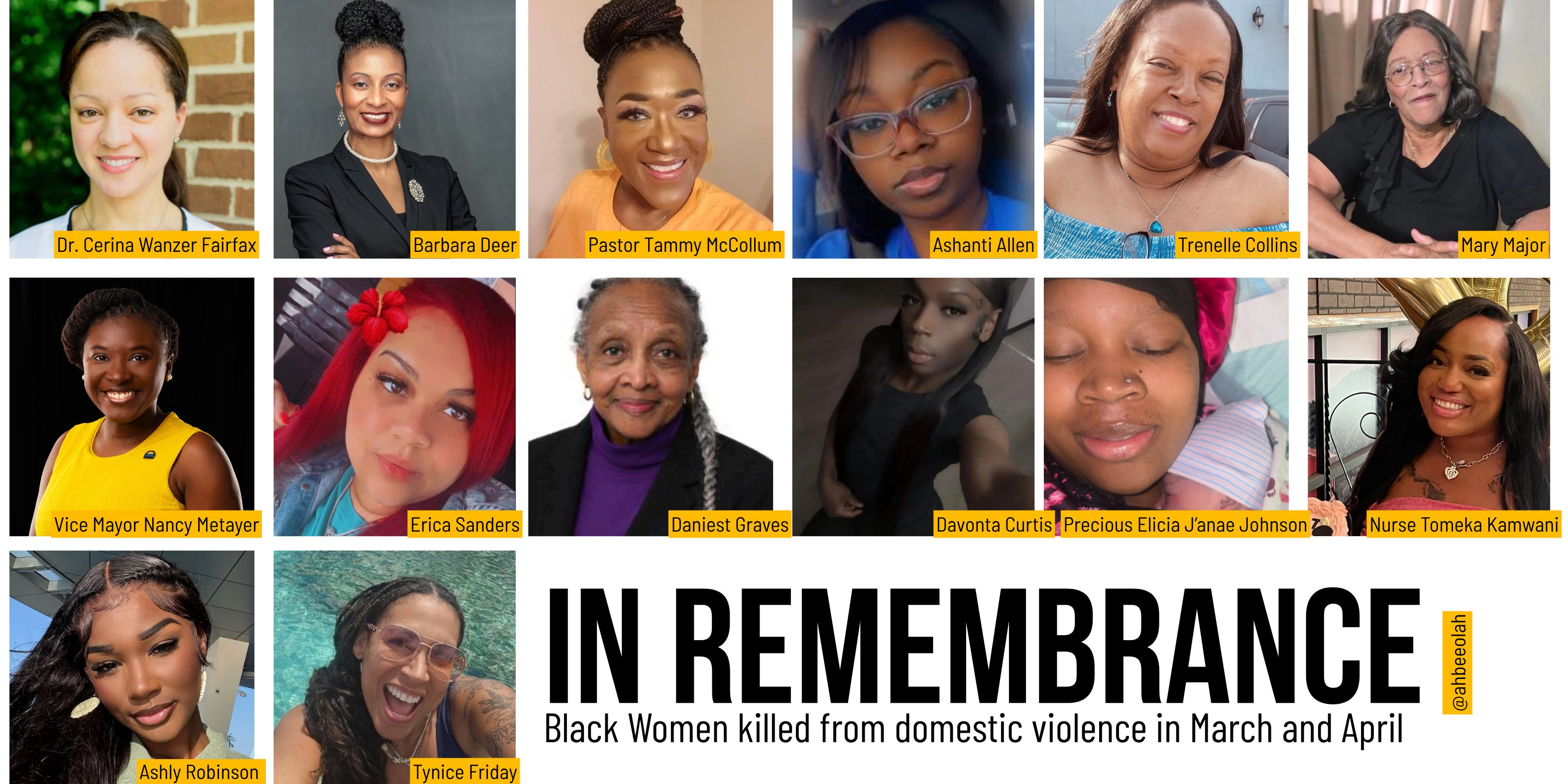
Multiple Black women have lost their lives the last few weeks in high profile domestic violence cases. One of the most recent ones broke something new in me - the murder suicide of Dr. Cerina Fairfax by her husband and disgraced politician Justin Fairfax. A few aspects of the case in particular hurt more than most - Justin shot Cerina, then himself while the kids were home. One of their teenagers found their mom within minutes of her being shot and called 911. In the call transcript the teen describes his mom as “having holes in her shirt” and “[potentially being] stabbed by his dad.” As if this wasn’t bad enough, coming online showed me that Black men everywhere were not only mourning his loss and sharing their selfies with him, but framing his death as an uncontrollable circumstance. The posts made my stomach turn. In a now deleted Instagram post, Roland Martin shared that Justin was “[his] #APhiA @apa1906network brother and in the same Sigma Pi Phi Fraternity chapter, Beta Nu.”
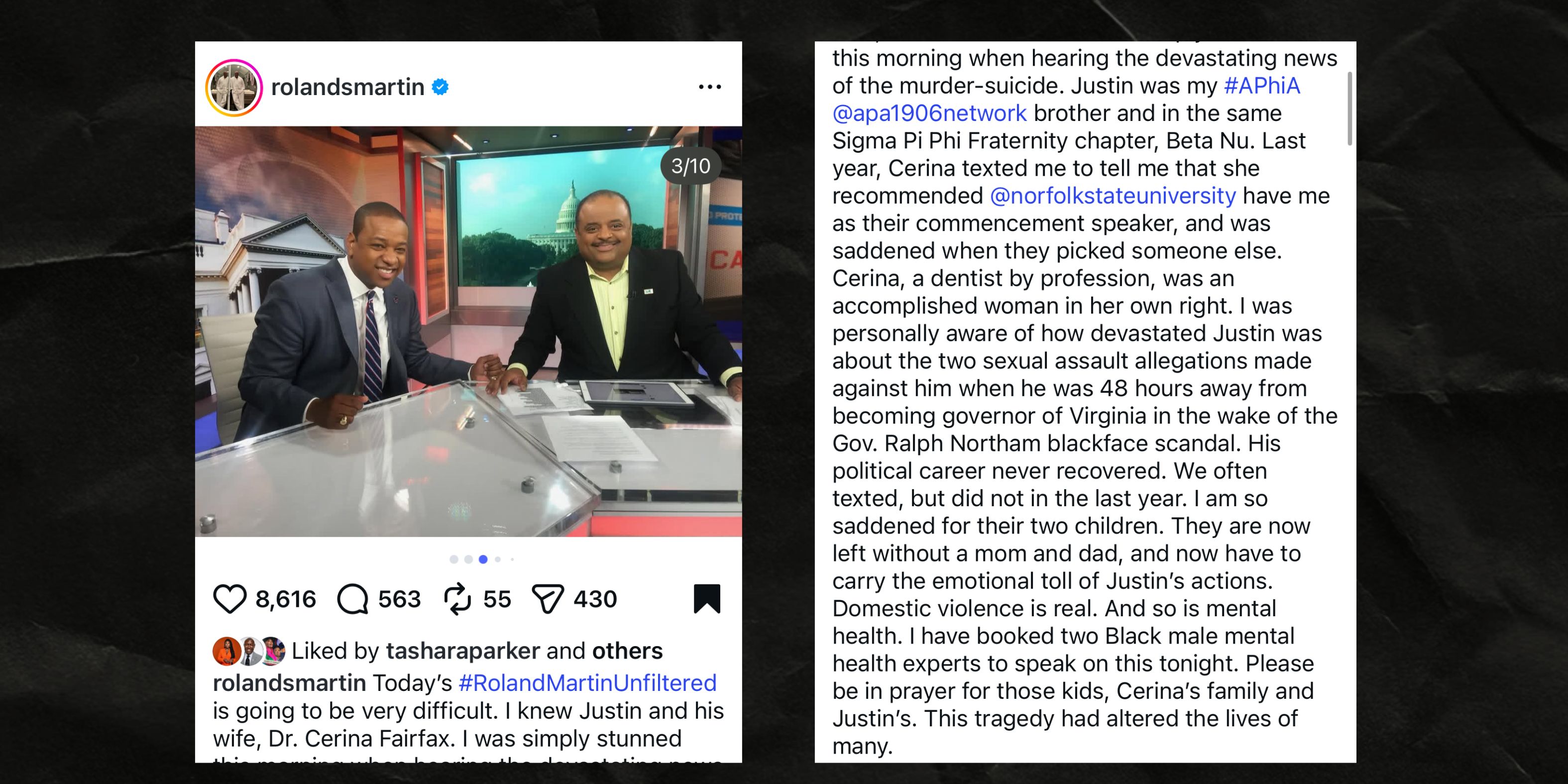
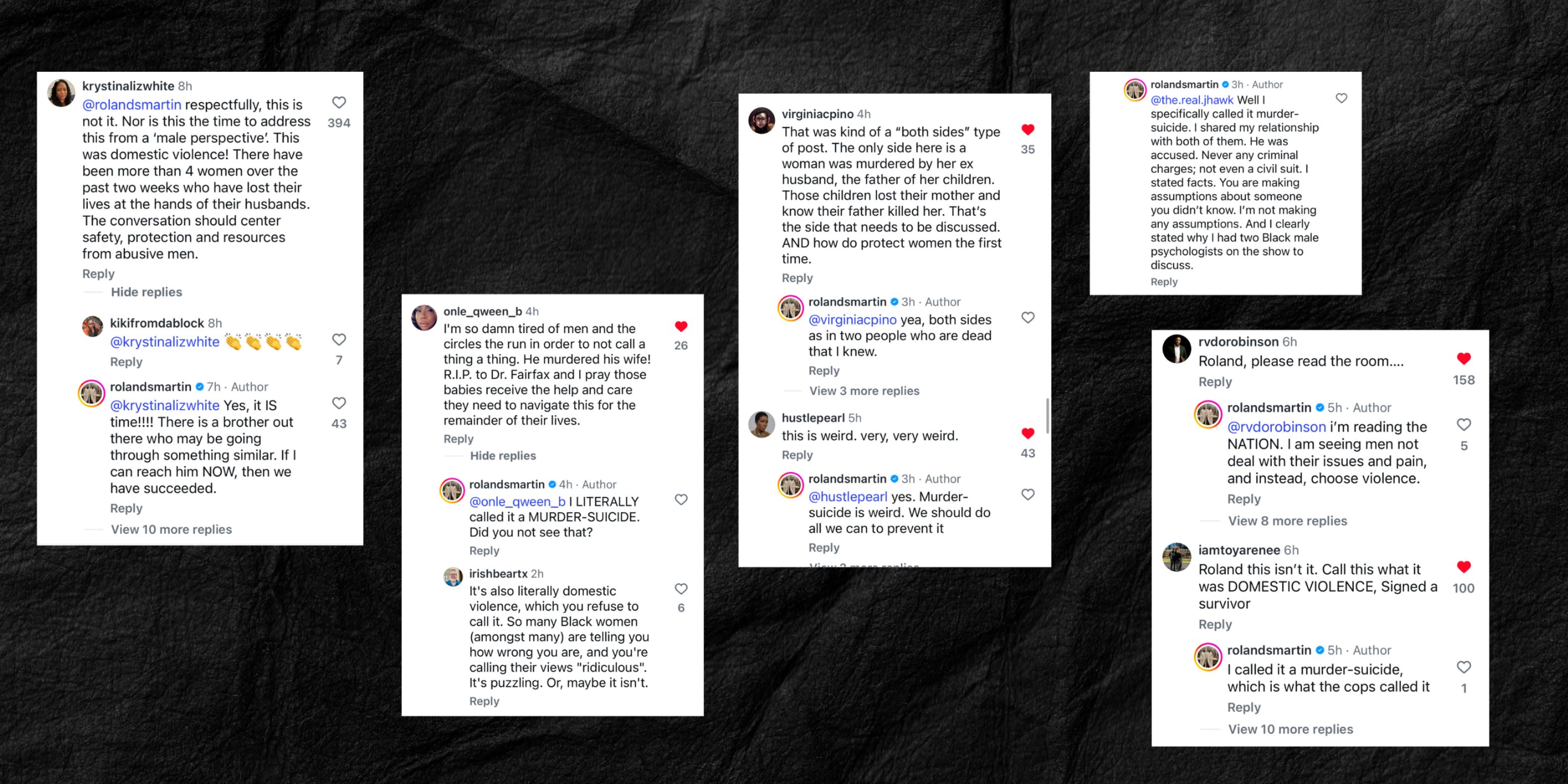
If you read Roland’s post without having read the story, you may have thought that Justin was murdered by someone else, or even was the victim. Through comments, Roland doubled down on his defense of the post, stating that Black men’s mental health is important - and it is - but to use a moment where a man has just deliberately made the choice to kill his wife while his children were next door sounds the same as those who excuse mass shooters actions under the guise of mental health. Take it from the experts, mental illness isn’t the driving factor behind domestic violence, and to indicate so allows for men to isolate themselves from the idea that domestic violence is a choice that they or their friends or coworkers make. It’s also important to note that most mentally ill people are not violent. According to a study by the Violence Policy Center, they found that “Black women were two and a half times more likely to be murdered by men than their White counterparts [and that] nine in ten Black female victims knew their killers.” Black women are at risk and largely by the men they know, regular everyday men.
Tired of news that feels like noise?
Every day, 4.5 million readers turn to 1440 for their factual news fix. We sift through 100+ sources to bring you a complete summary of politics, global events, business, and culture — all in a brief 5-minute email. No spin. No slant. Just clarity.
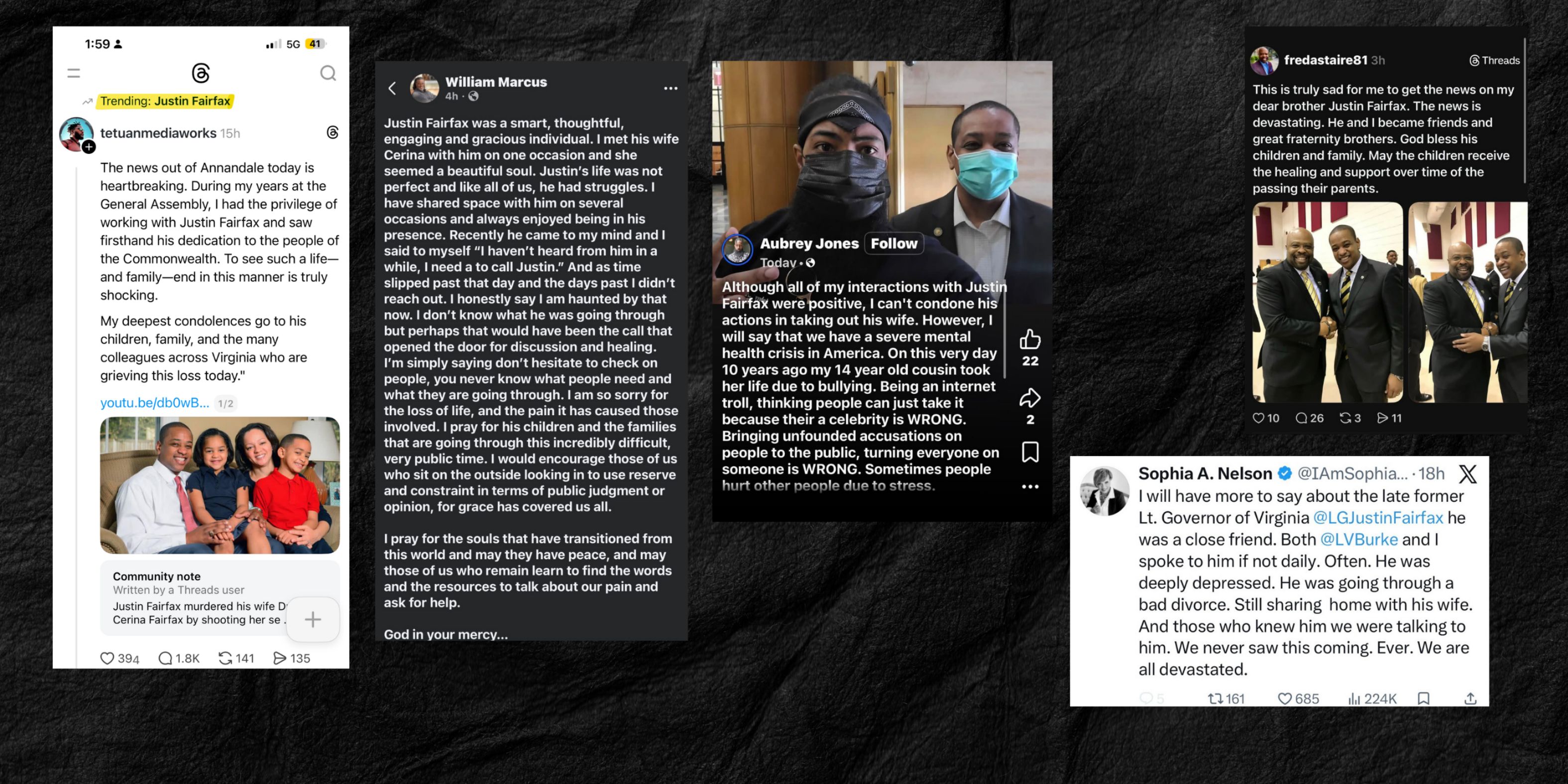
Roland not only made the post, but doubled down in comments attempting to call out the issue. The post was not deleted due to recognition or error, but because the fraternity asked him to. However, Roland Martin was far from the only Black man sharing their pictures and stories of Justin. Multiple men across platforms were seen sharing selfies and expressing the same sentiment that he was gone, with little to no recognition of Dr. Cerina as the victim. Of course there were women online also engaging in the reframing of the murder, but the loudest voices online were largely from the same demographic.
The phrases “but he was nice,” and “but he was a good man” are common responses to victims of violence at the hands of men. When one of my online mutuals, Mrs. Frazzled, most recently broke the story of Eric Swalwell sexually assaulting his staffers over the last few years, there were comments that occurred far too frequently that followed this sentiment. The same thing happened when James Talarico’s “mediocre Black man” comments were brought to light or when Chuck Norris passed away and we brought up his detailed racist history. People have been socialized to believe that “nice” men simply don’t commit heinous crimes or do heinous things. When a man has gone so far as to take a woman's life the continued excuses of “good” experiences elicit an even higher level of disgust.
With this being said, I offered the following example: to somebody, Derek Chauvin was a good man. Somebody out there watched the video of him kneeling down on George Floyd and insisted that he was a community man. Someone saw that video and felt that it had to have been provoked because at one point he walked their dog or he helped them find a cat in a tree. To someone, Derek Chauvin is a good man whose career was ruined by a tragedy, and they don’t place the blame on him.
To me, looking at this through a lens of one of the most internationally know examples of US based police violence allows for Black men to sit with the fact that niceness is not an indicator of anything but their direct relational experiences. Anyone who would justify George Floyd’s death is a different audience, but my audience here is those who feel disgusted by my comparison. If Derek Chauvin had died, would you have wanted to see people post their “dearest memories” with him?
Some of these people sharing their memories of Justin may have felt like he was a kind soul, and to a certain extent grief that he is gone is understandable. How we share and process that grief however matters. How do we teach people to grieve a murderer they knew? And even more so, how do we teach people to handle the fact that “good people” do incredibly devastating and terrible things? We do so carefully, never allowing for the death of a victim to be relegated as an accidental blight in an abusers story.
Share this with someone. If you enjoyed this essay and it was shared with you, subscribe to my newsletter.
Reply